When conversations about technology come up, parents often ask the same question: “How much screen time is too much?”
That’s an important question, but it may not be the deepest one.
A better question might be: Who is shaping my child?
Because this isn’t just about screen time. It’s about formation.
Every generation has been influenced by the culture around them. Friends, teachers, television, music, advertising, and peers have always played a role in shaping how young people think about themselves and the world.
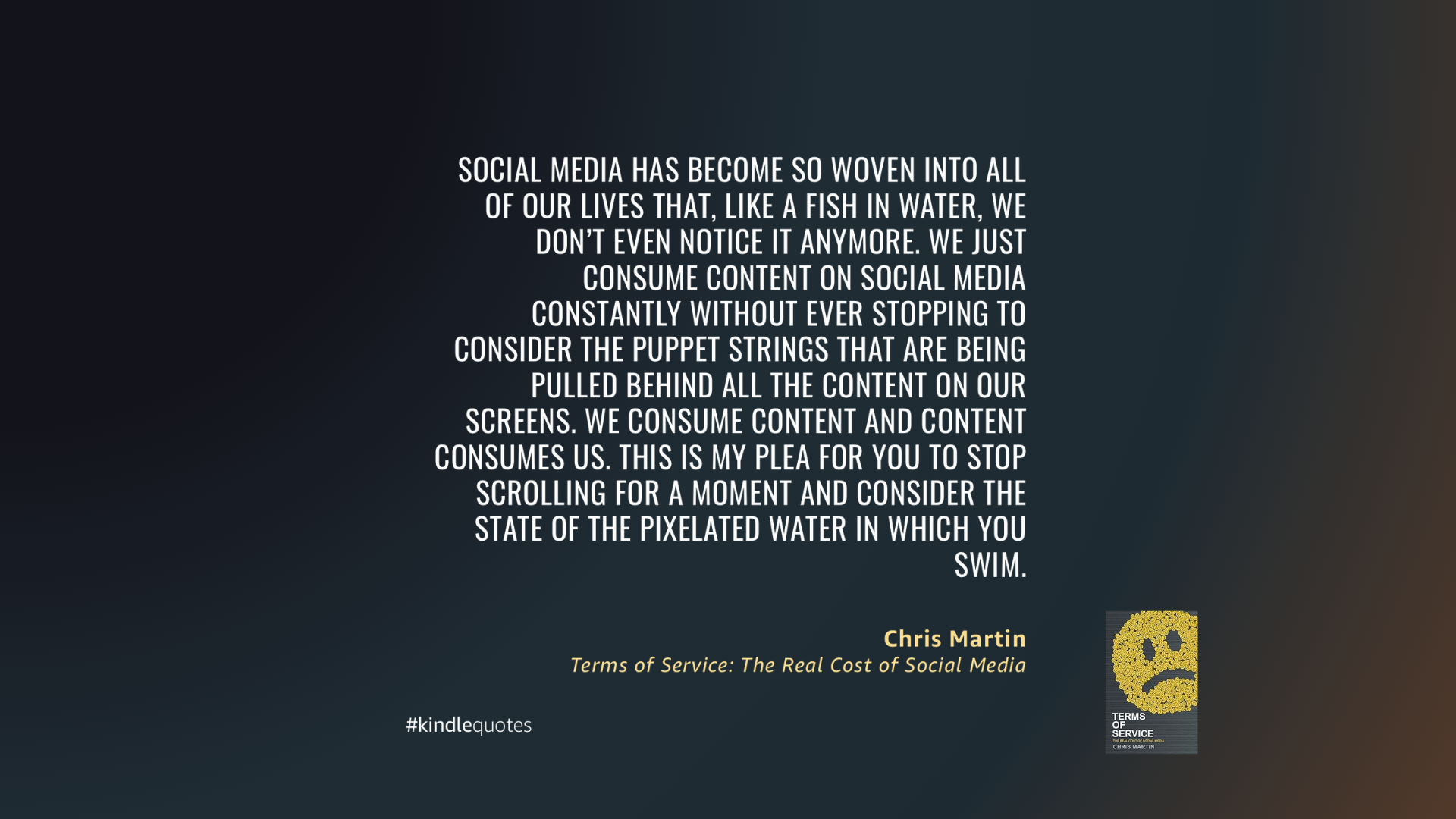
What makes this generation different is how early, constant, and personalized that influence has become.
According to recent reporting from SQ Magazine, 64% of kids ages 8–12 use YouTube and TikTok every day. Device access also begins early: 40% of children own a tablet by age 2, and one in four children has their own cellphone by age 8.
That means our children are not just occasionally encountering media. Many are growing up inside digital environments that are present from the earliest years of life.
This does not mean technology is evil. Technology is a tool.
But tools shape habits. Habits shape desires. Desires shape direction.
Proverbs 4:23 reminds us:
“Above all else, guard your heart, for everything you do flows from it.”
In Scripture, the heart is not simply the place of emotions. It is the center of who we are: our desires, beliefs, values, imagination, and decisions.
So when we talk about technology, we are not only talking about apps, devices, and screen limits. We are talking about the formation of the heart.
For many parents, this can feel overwhelming. But awareness is not meant to produce fear. It is meant to produce wisdom.
Our role is not simply to block everything harmful. Our role is to help our children learn to recognize what is shaping them.
That begins with asking better questions:
What voices are forming my child’s view of identity?
What content is shaping their understanding of love and relationships?
What repeated messages are becoming normal to them?
Am I present enough to help them process what they are seeing?
The goal is not to raise children who simply follow rules when we are watching.
The goal is to raise young people who know how to guard their own hearts.
Formation is happening every day. The question is whether we will intentionally participate in it or leave it to the algorithm.